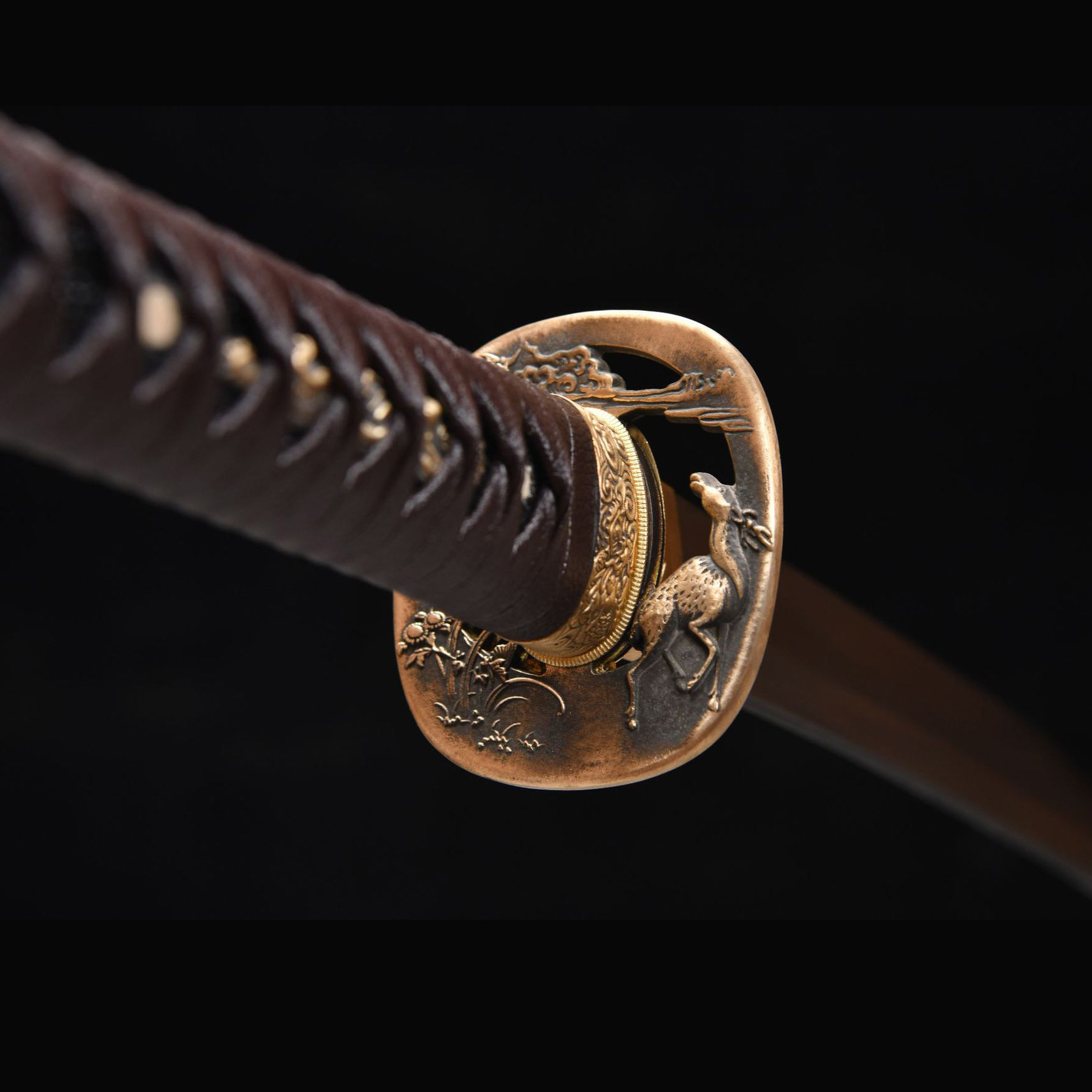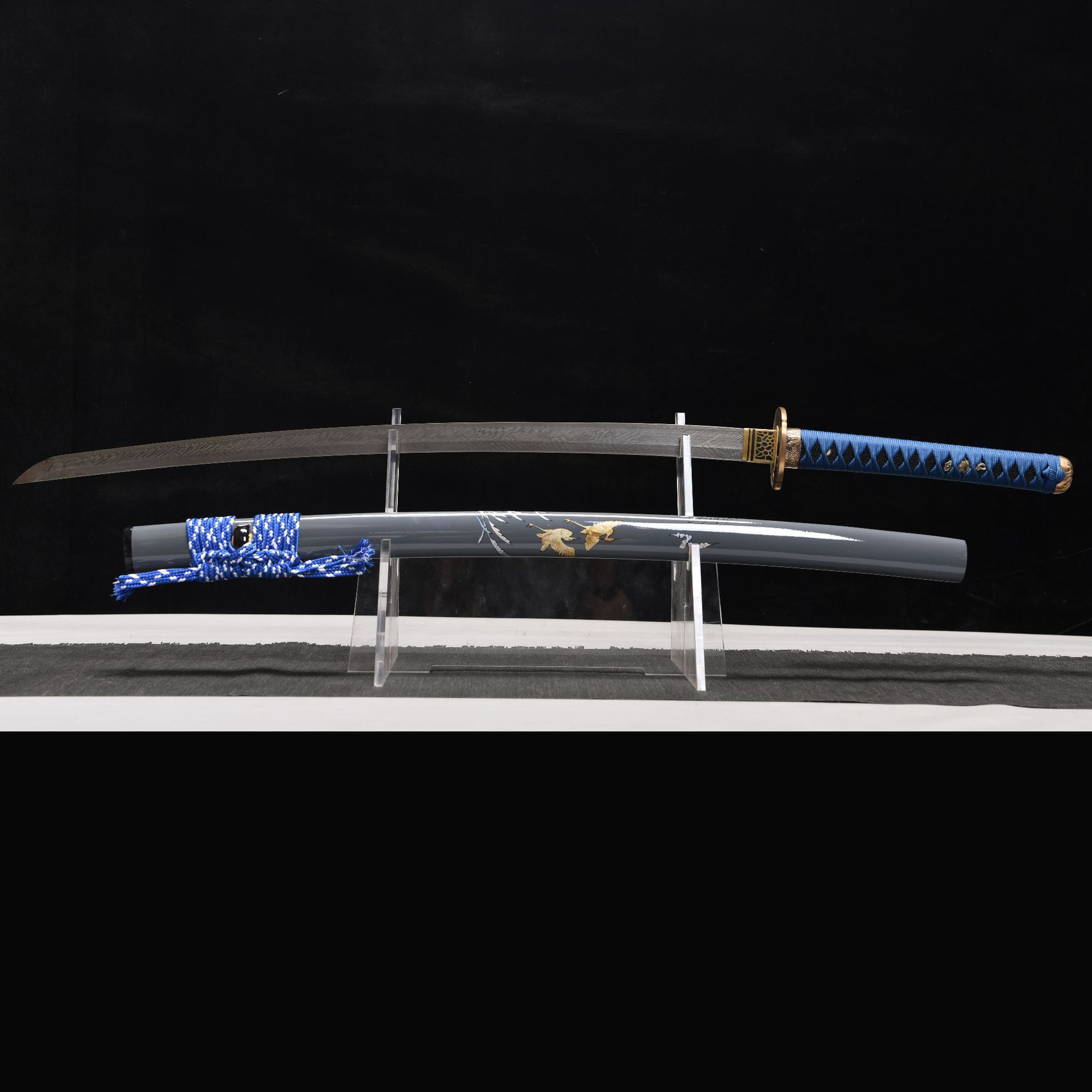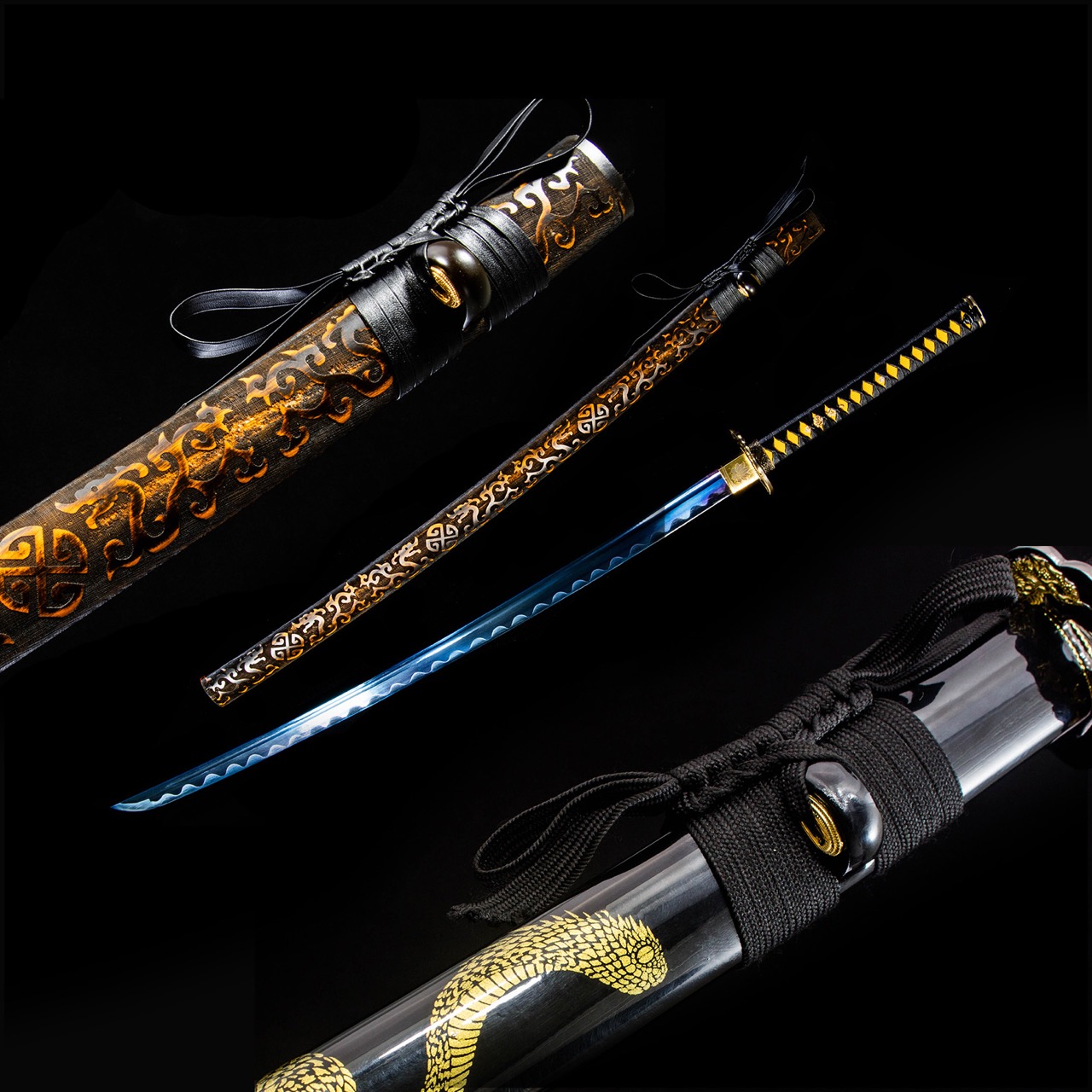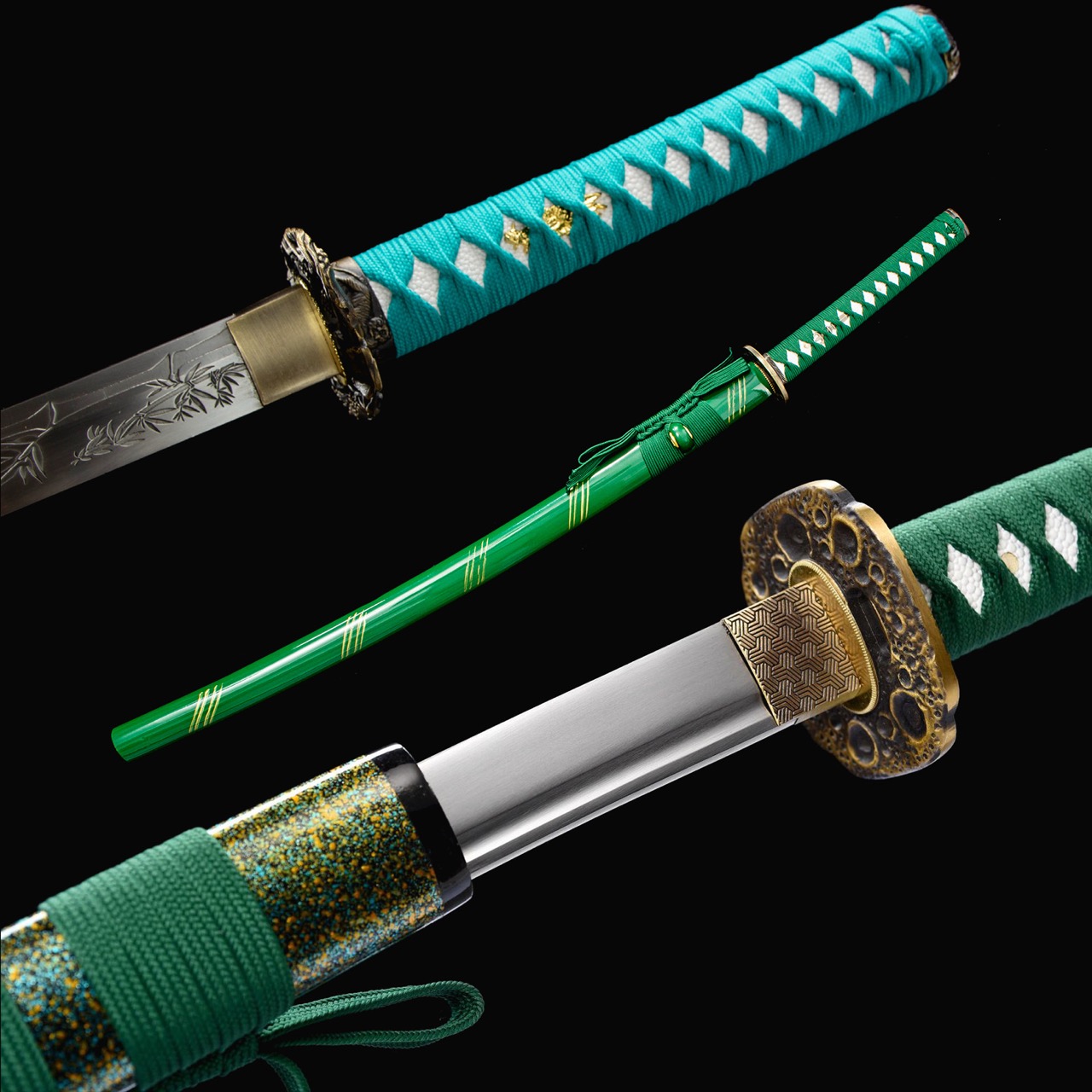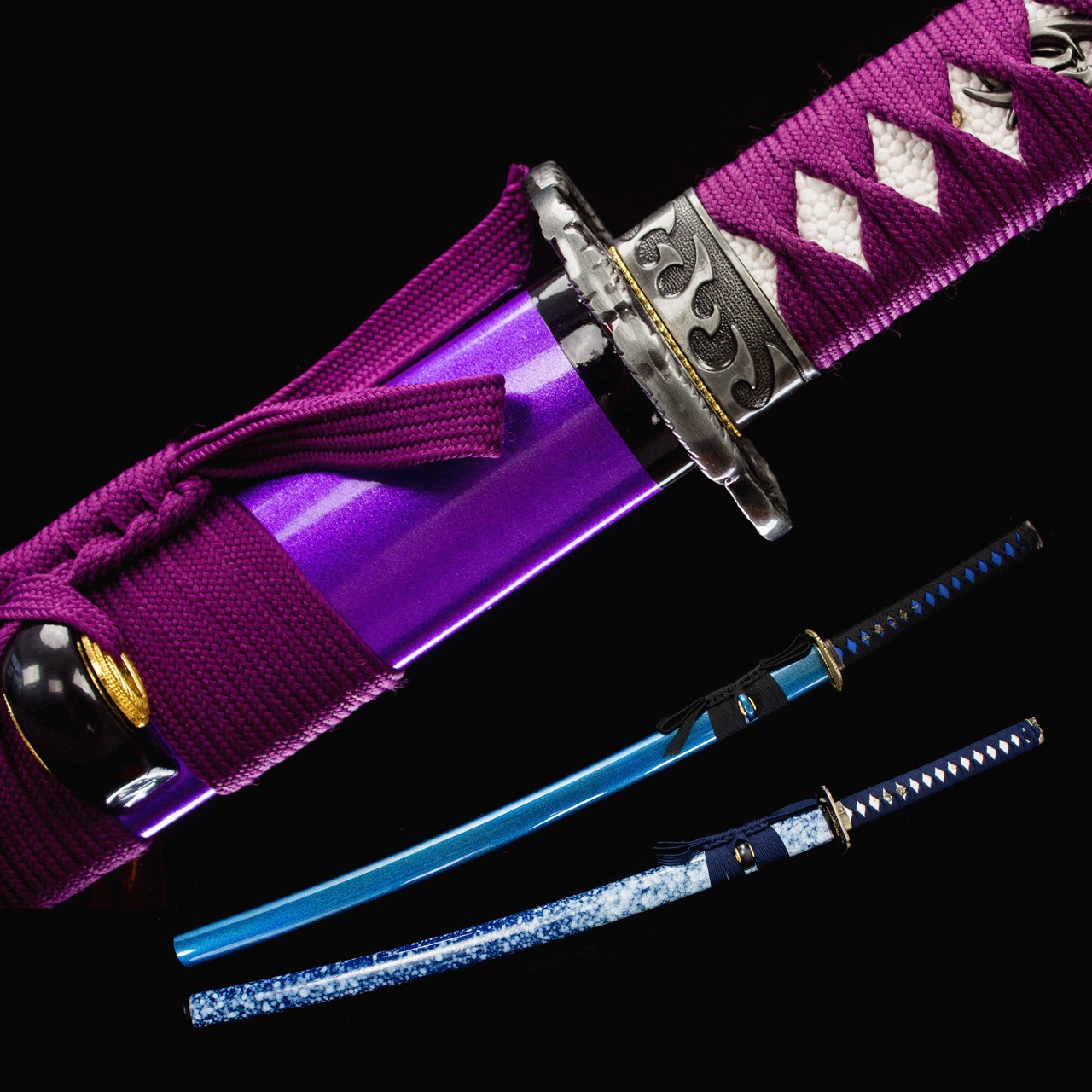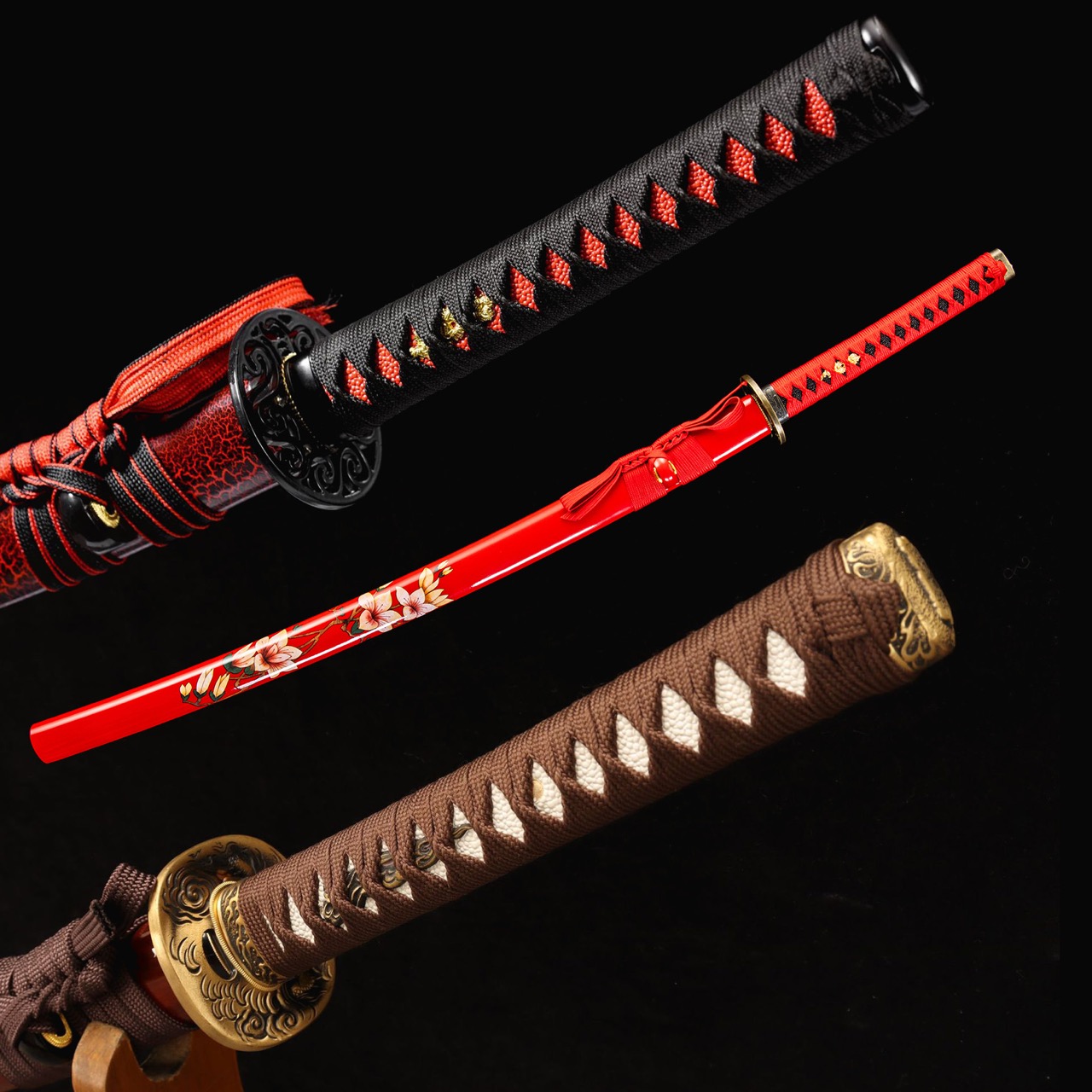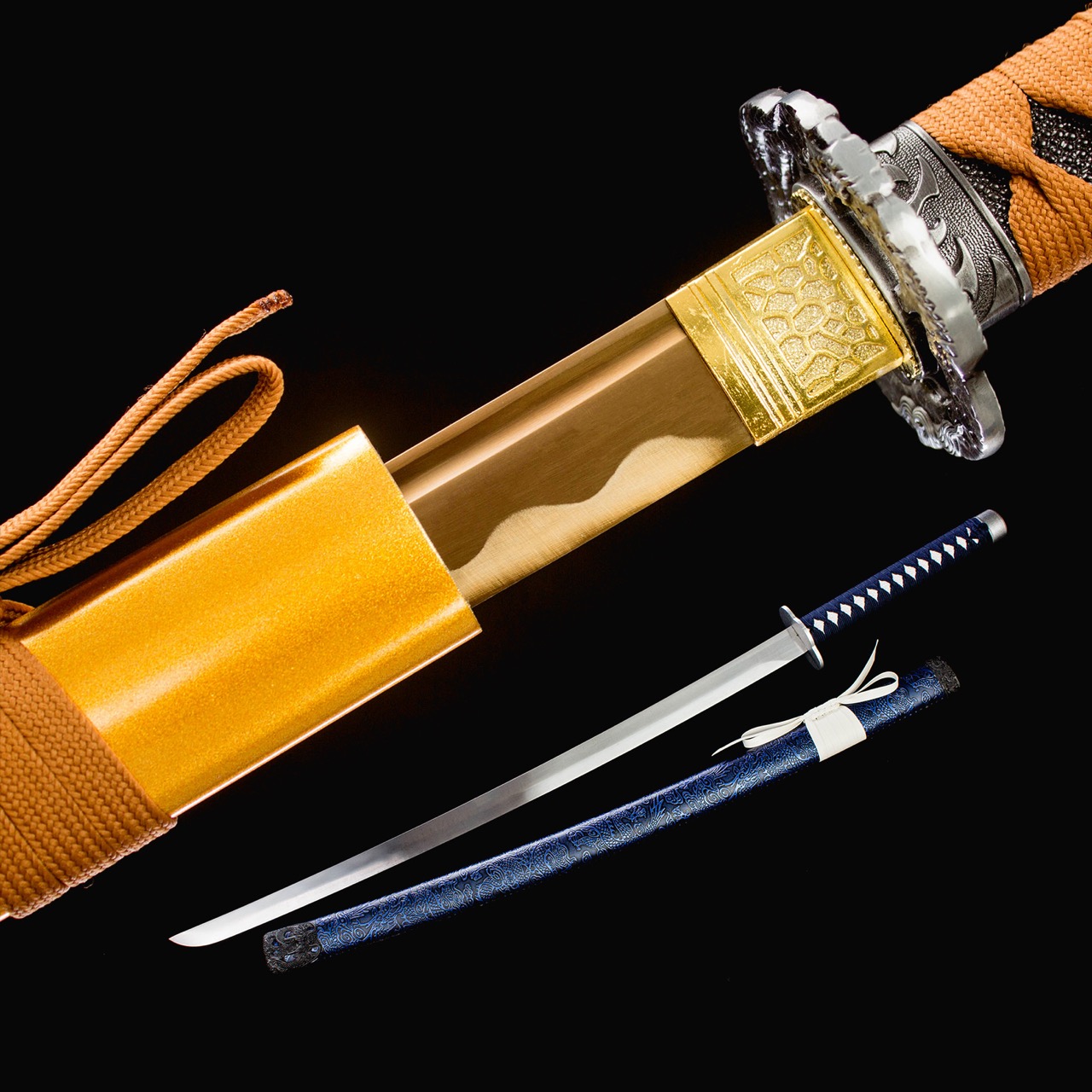

When people see a Japanese sword on a shelf, they usually notice the shape, the finish, the presence.
What they don’t see—what almost never appears in photos—is everything behind it.
The years.
The failures.
The repetition.
The decisions to do things the hard way, again and again.
Our story began in 1885. At that time, swordmaking wasn’t a “craft industry,” and it certainly wasn’t a brand concept. It was necessity, responsibility, and discipline. A blade wasn’t something you outsourced. It was something you stood behind with your name, your reputation, and your life’s work.
That mindset never left us.
Over more than a century, the world changed dramatically. Tools became faster. Production became cheaper. Outsourcing became normal. Today, it’s entirely possible to design a sword on a computer, send files to multiple factories, and never touch the product yourself.
We chose not to.
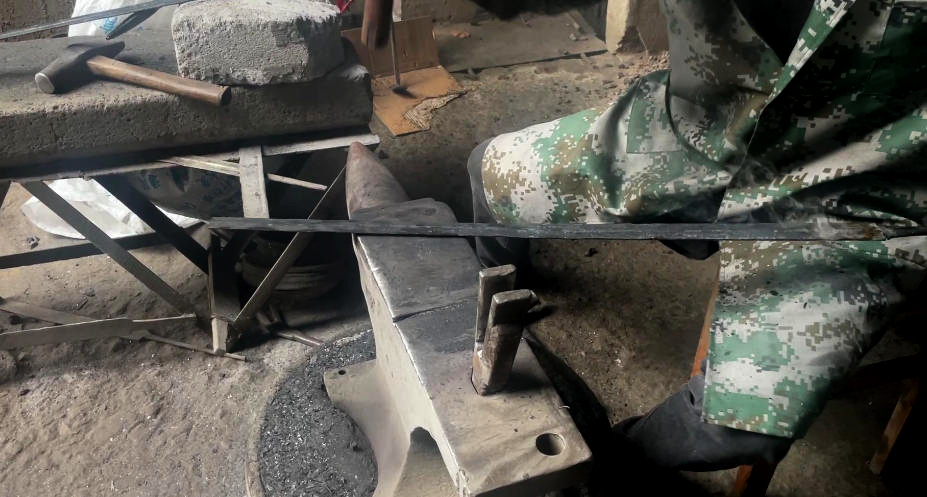
We still believe that a sword should be understood from the inside out. How it responds during forging. How it behaves after heat treatment. How small adjustments change balance, presence, and feel. These are things you don’t learn from spreadsheets or samples—they come only from doing the work, repeatedly, over decades.
That’s why we insist on crafting our own swords.
Not because it’s efficient.
Not because it’s trendy.
But because quality without understanding is fragile.
When you control the process, you don’t just control outcomes—you control responsibility. If something feels off, there’s no one else to blame. If a blade performs well, you know exactly why. That level of accountability creates confidence, not just for us, but for the people who choose our work.
Many of our customers never plan to cut with a sword. Some place it in their home office. Some gift it to mark a turning point. Some simply want an object that feels grounded and intentional. For all of them, what matters isn’t only how the sword looks—it’s what it represents.
It represents time invested.
Skills carried forward.
Choices made slowly, on purpose.
From 1885 to today, that belief hasn’t changed. We don’t rush production. We don’t chase volume at the cost of understanding. Every sword we make is part of a long, continuous line—one that connects past knowledge with modern life.
Behind every blade is a decision:
to make less,
to know more,
and to stand fully behind what we create.
That is why we still craft our own swords.