
Across different cultures, people have always searched for ways to understand life—why some periods feel smooth and full of momentum, while others feel heavy, stagnant, or uncertain.
In East Asia, one of the oldest answers to this question is the concept of the Five Elements.
Wood. Fire. Earth. Metal. Water.
These elements are not myths or decorations. In Chinese, Japanese, and Korean traditions, they are seen as fundamental forces that shape nature, personality, timing, and even the direction of one’s life.
The Five Elements Are Not Superstition—They Are a Language of Balance
The Five Elements are a way of describing how energy moves.
Wood represents growth, beginnings, and renewal.
Fire symbolizes passion, action, and transformation.
Earth stands for stability, grounding, and balance.
Metal reflects clarity, discipline, and decisive strength.
Water embodies flow, healing, and adaptability.
In Eastern philosophy, life feels most natural when these energies are balanced. When one element is lacking—or overwhelming—people often feel it emotionally or mentally long before they can explain it logically.
That’s why many people turn to symbols that help them reconnect with the energy they need.
Why Objects Matter in Energy Culture
In Eastern cultures, energy is not only internal—it is influenced by the space around us.
What we place in our homes, workspaces, and personal environments quietly affects how we feel. This is why objects with meaning have always played an important role, from calligraphy and stones to blades and ceremonial tools.
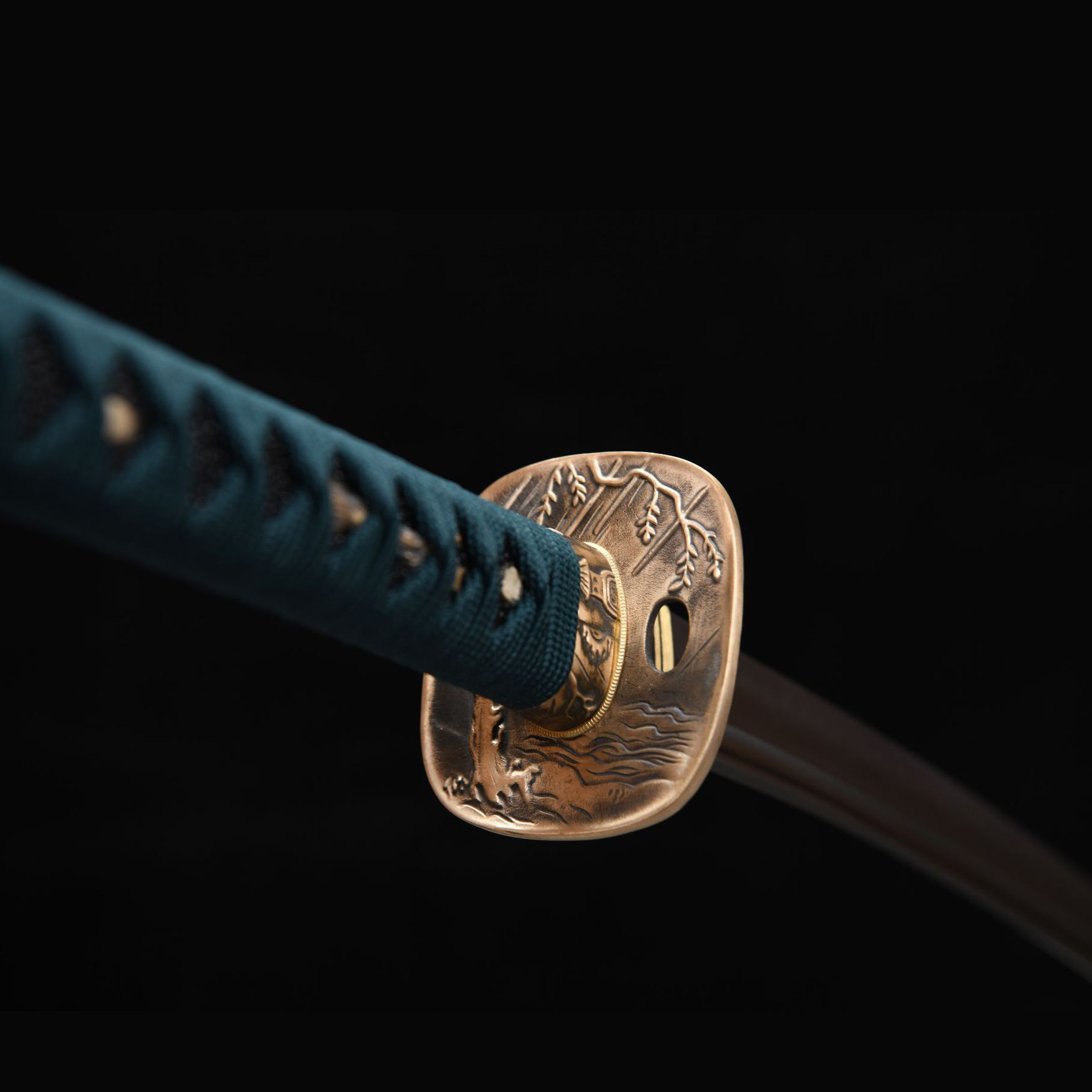
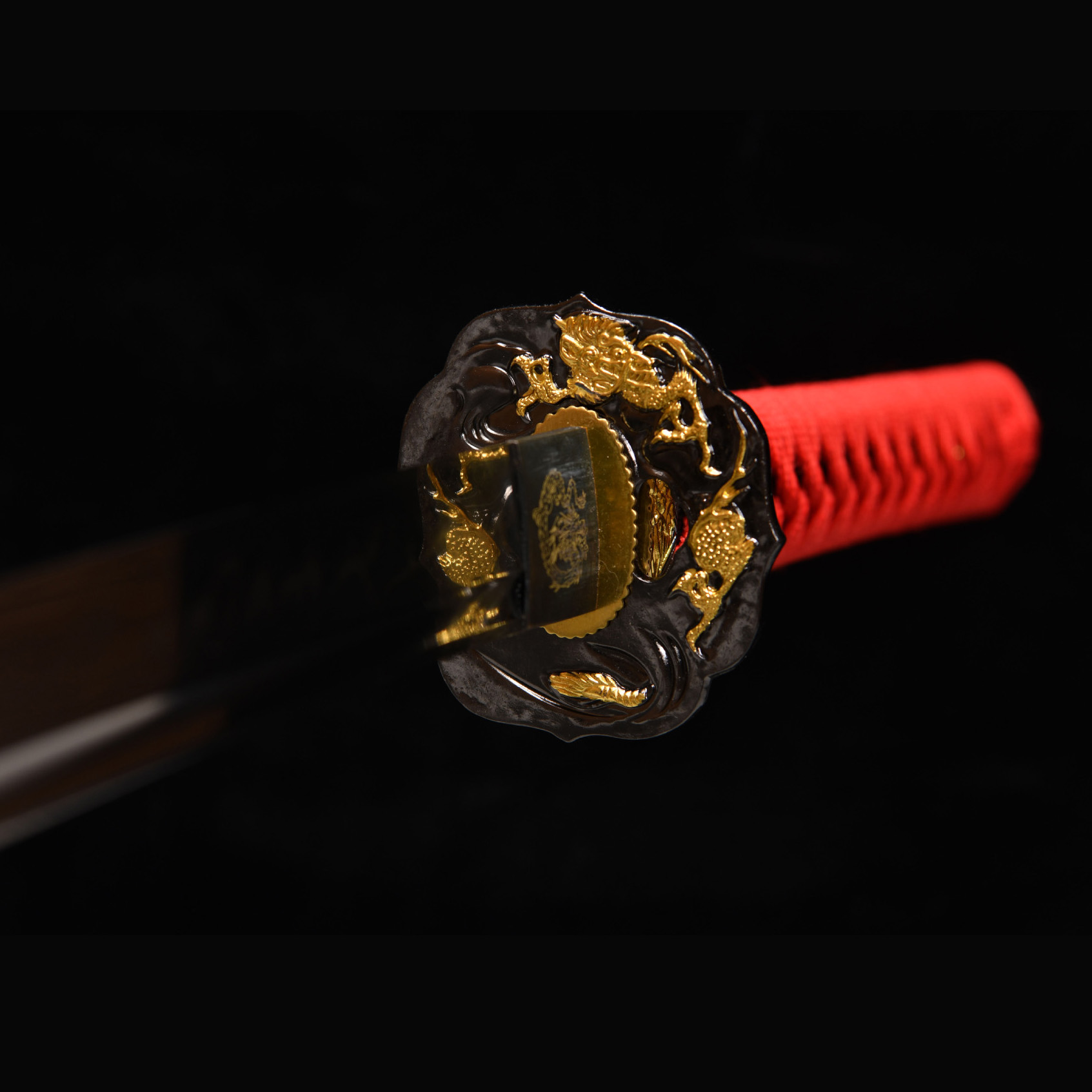
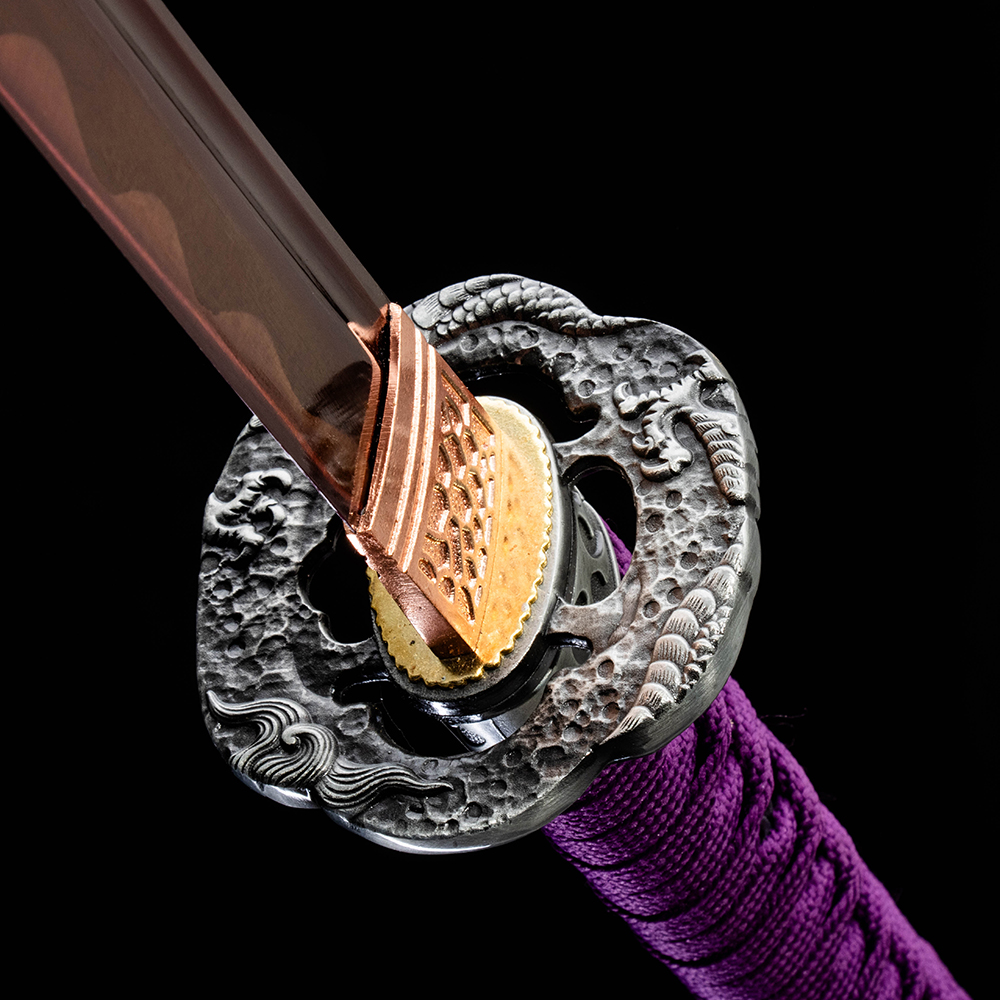
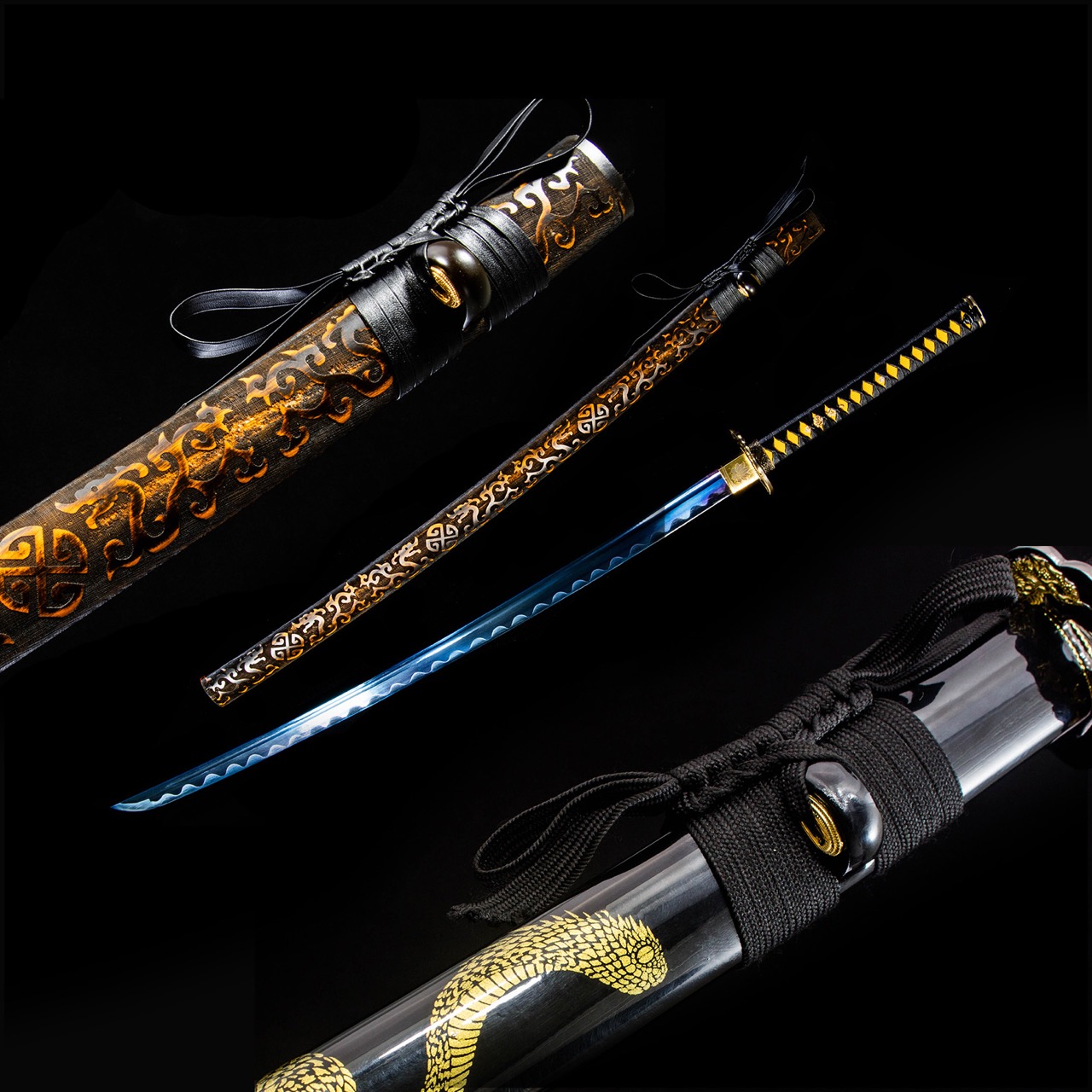
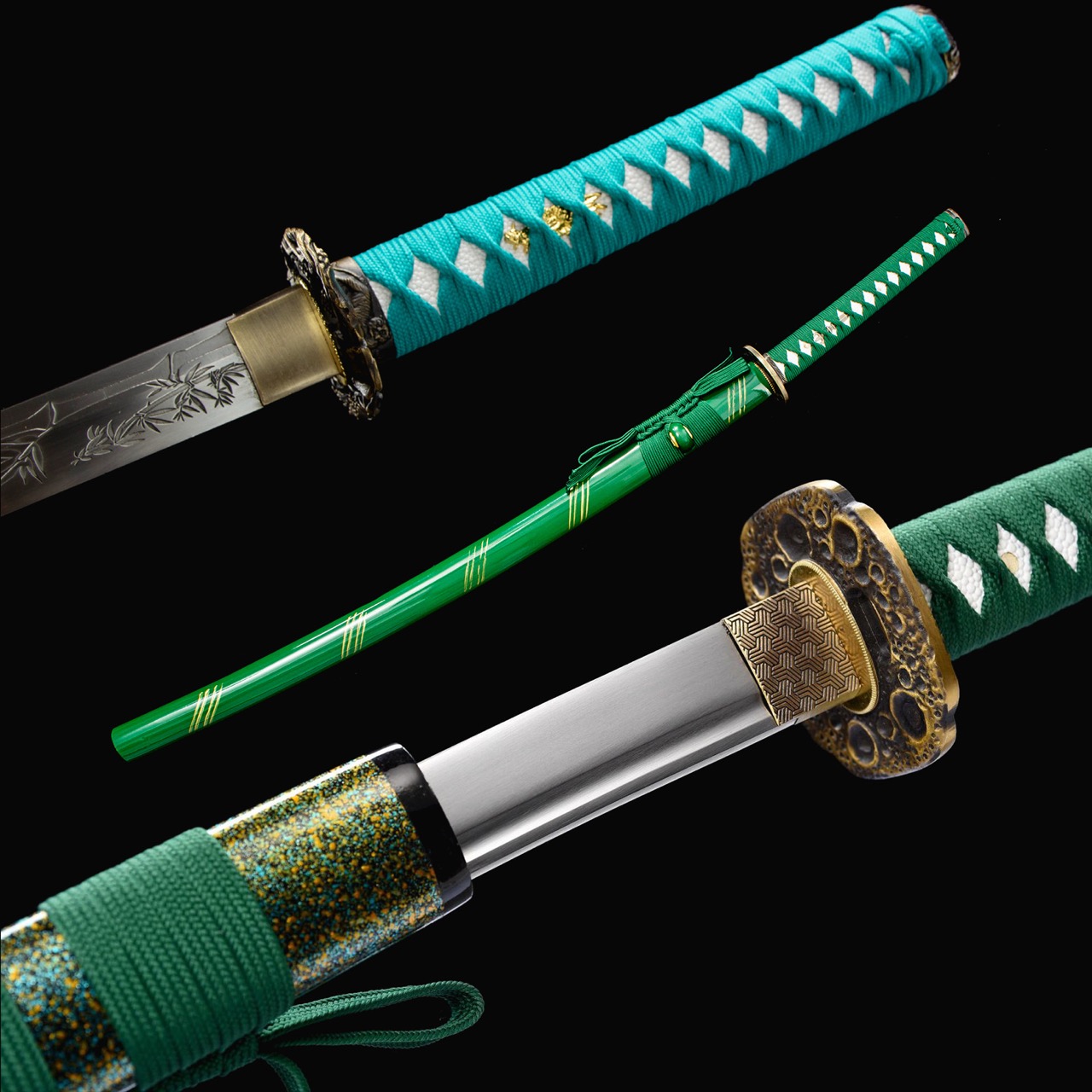
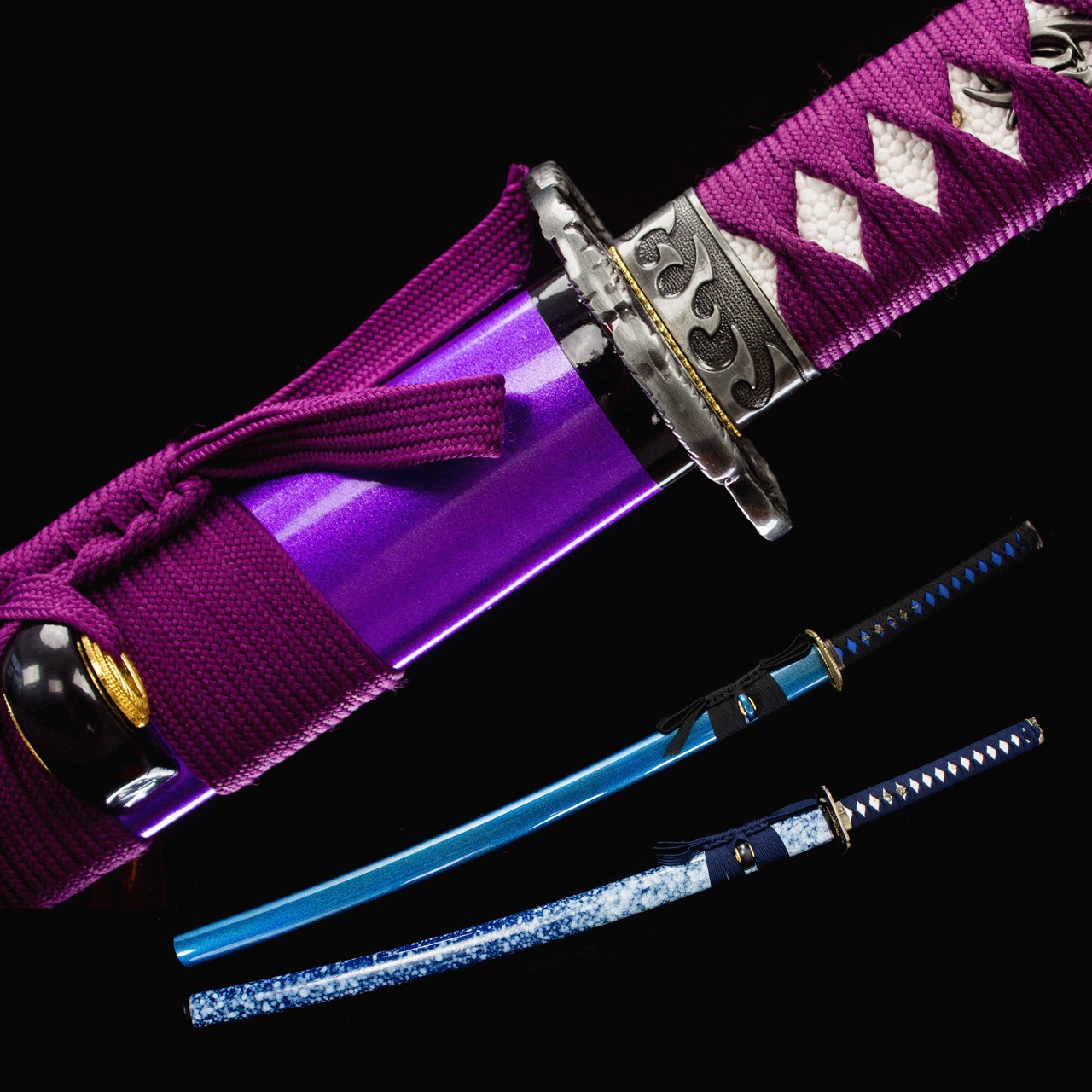
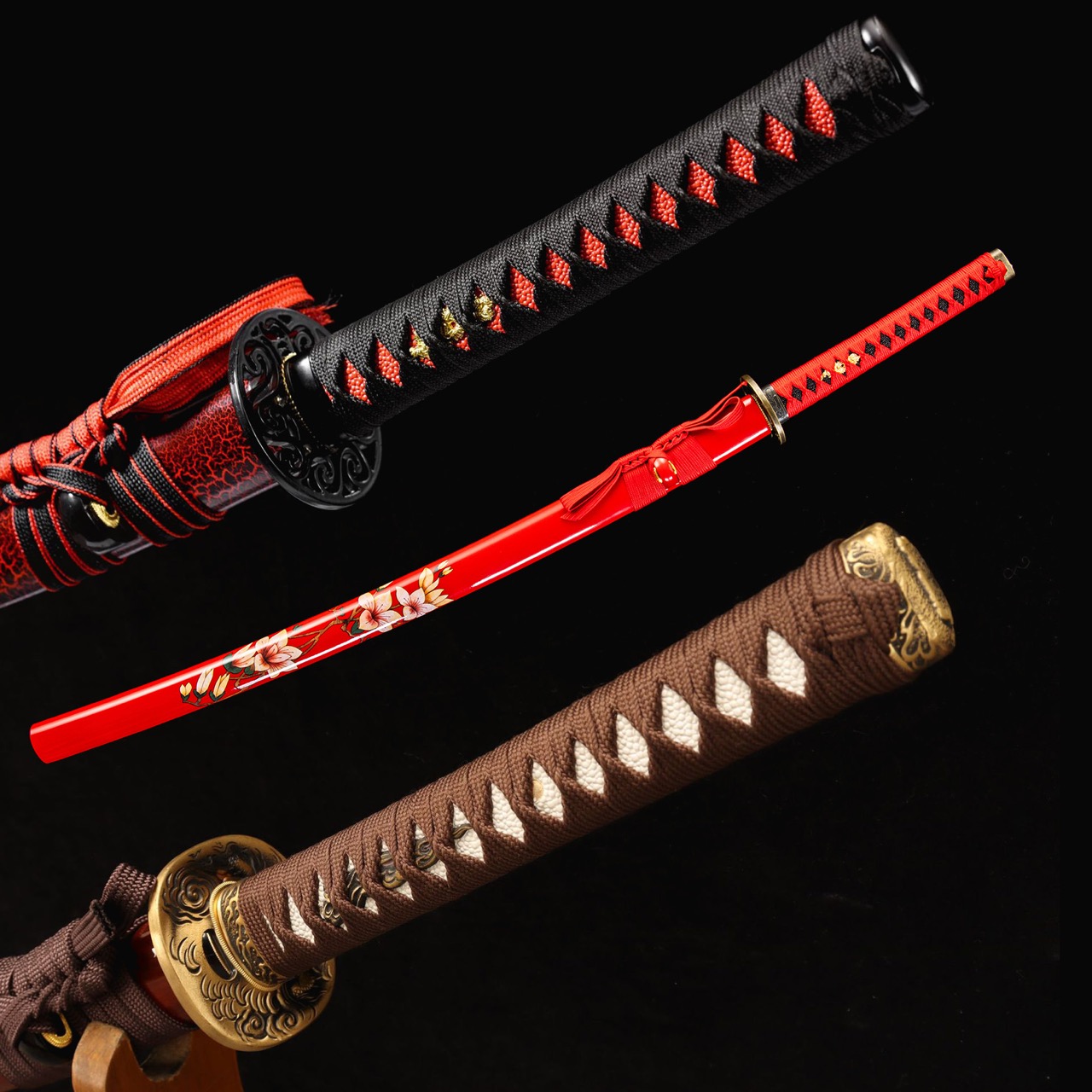
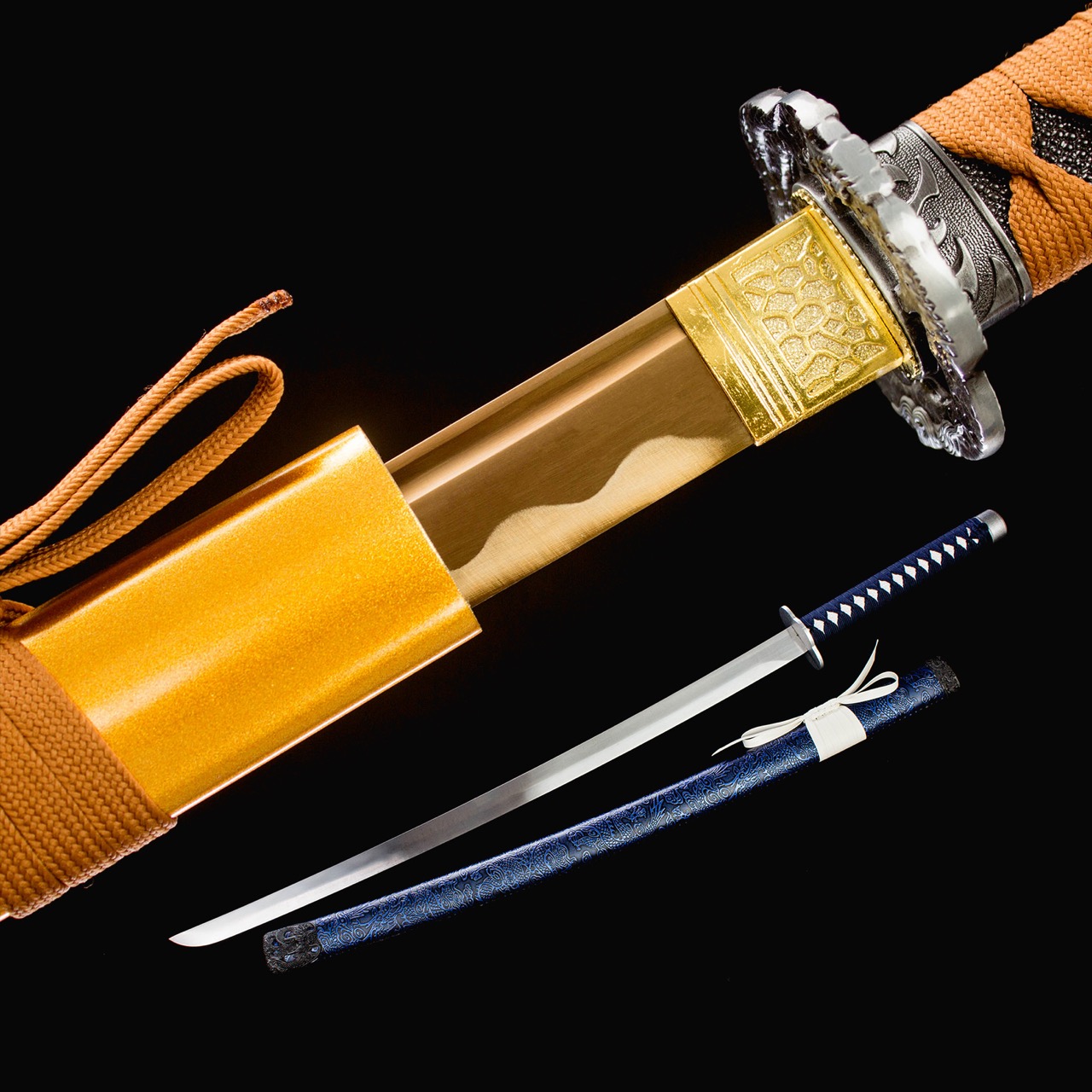
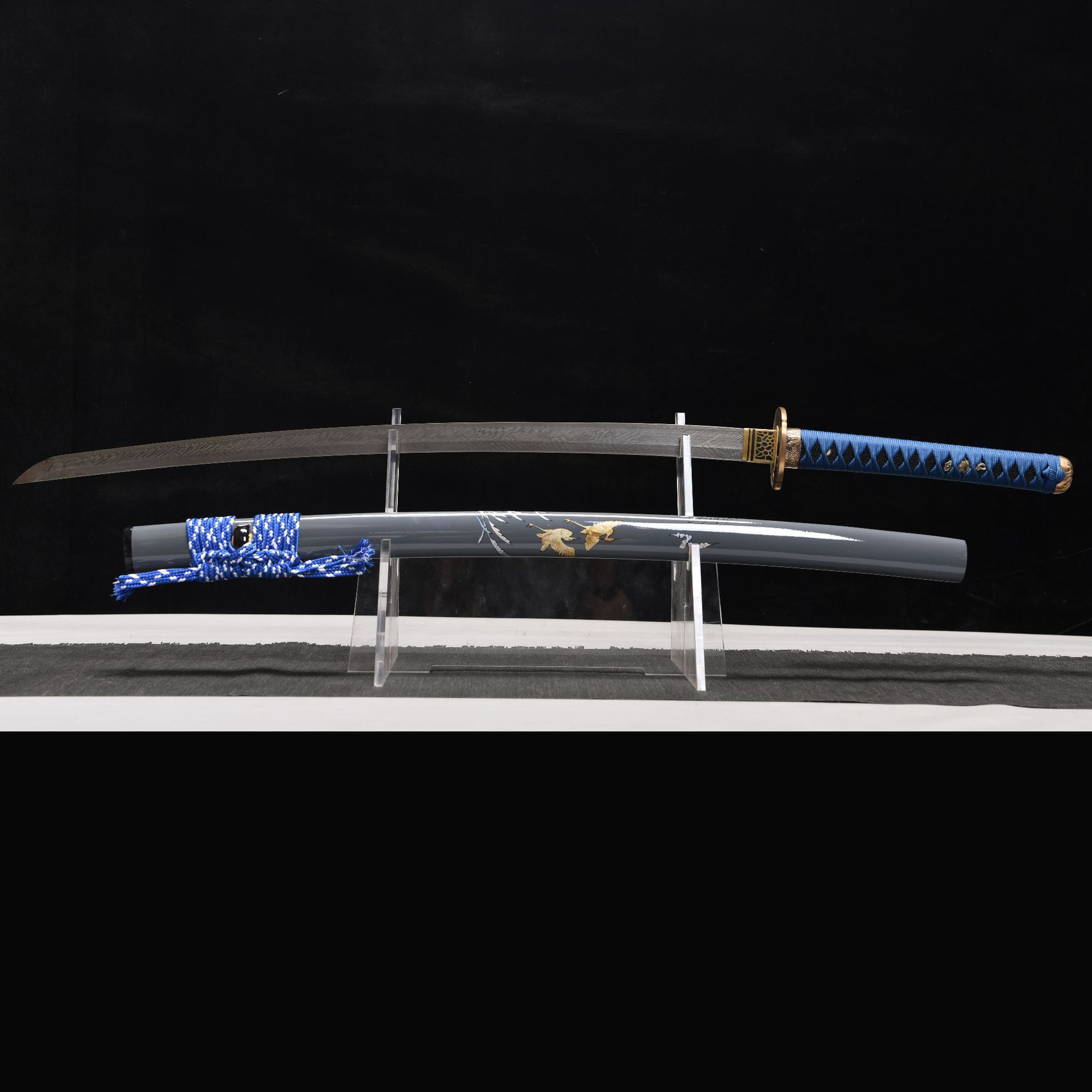
A sword, especially, has long been seen as more than a weapon. It represents intention, protection, resolve, and direction. When aligned with a specific element, it becomes a symbol of the energy one wishes to strengthen in life.
Choosing a Five-Element Sword Is Choosing an Intention
When someone selects a Five-Element sword, they are often choosing based on where they are in life—sometimes without realizing it.
Those starting a new chapter are drawn to Wood.
Those seeking momentum or courage feel connected to Fire.
Those craving calm and grounding gravitate toward Earth.
Those needing clarity or stronger boundaries resonate with Metal.
Those healing emotionally often choose Water.
In China, Japan, and Korea, many people genuinely believe this alignment can influence mindset, decisions, and even long-term direction. And for countless individuals, it has led to noticeable changes—not because of magic, but because intention shapes behavior.
The Quiet Power of Eastern Energy
The power of the Five Elements is subtle.
It doesn’t shout. It doesn’t promise instant miracles. Instead, it works quietly—through awareness, symbolism, and daily presence. A sword placed in a room becomes a reminder. A focus point. A reflection of who you are becoming.
This is why the Five-Element philosophy has survived for thousands of years. Not because it explains everything, but because it helps people understand themselves better.
A Different Way to Look at Life
In a fast, noisy world, many people in the West are rediscovering Eastern ideas—not to escape reality, but to reconnect with balance.
Choosing a Five-Element sword is not about believing blindly. It’s about acknowledging that life has rhythms, and sometimes, we need symbols that help us move with them instead of against them.
This is the quiet, mysterious strength of the East—not something to conquer, but something to understand.